If you’ve ever refilled your dog’s water bottle from a questionable hotel tap or reused last night’s leftover water, you’re not alone. But here’s the real question pet parents in the sustainable living space are asking: can dogs drink recycled water? With eco-friendly pet products booming—and reusable pet water bottles flying off shelves—it’s time to separate myth from fact. In this guide, we’ll explore what “recycled water” actually means for pets, how to safely hydrate your furry friend on the go, and where well-meaning green habits can backfire.
Table of Contents
- Why This Matters for Eco-Conscious Pet Owners
- Step-by-Step Guide to Safe Hydration
- 5 Best Practices for Using Reusable Pet Bottles
- Real-World Results: What Works (and What Doesn’t)
- Frequently Asked Questions
Key Takeaways
- “Recycled water” typically refers to treated wastewater—not leftover bottled water—and is unsafe for pets unless explicitly labeled potable.
- Reusing clean, food-grade containers for fresh tap or filtered water is safe and sustainable.
- Avoid letting your dog drink from stagnant puddles, public fountains, or unclean bottles—even if labeled “eco-friendly.”
- Regular cleaning of pet water bottles prevents bacterial buildup that can cause gastrointestinal issues.
Why This Matters for Eco-Conscious Pet Owners
As sustainable living gains traction, many pet owners assume any “reused” water must be eco-friendly. But confusion around terms like “recycled,” “reclaimed,” and “reused” creates real risks. According to the U.S. Environmental Protection Agency (EPA), recycled water generally refers to highly treated municipal wastewater used for irrigation or industrial purposes—not human or animal consumption. While it’s safe for lawns, it may contain trace pharmaceuticals, heavy metals, or pathogens harmful to dogs.
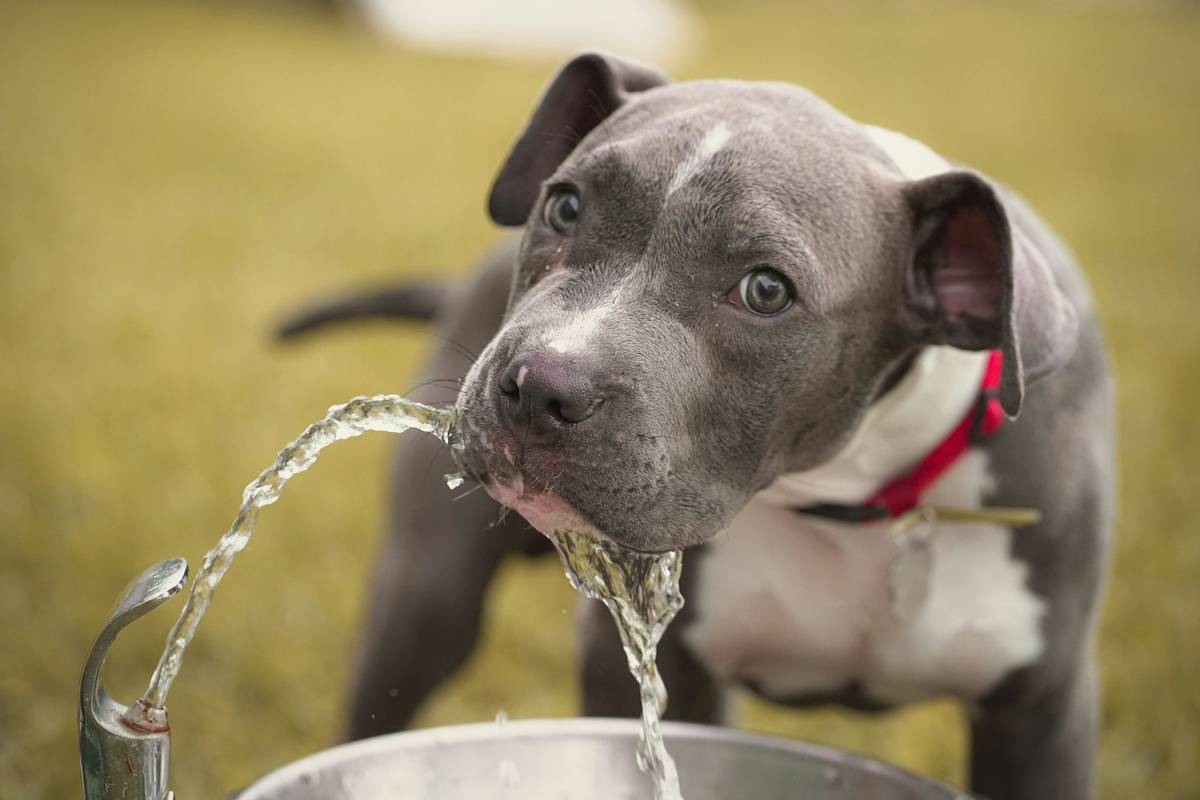
I learned this the hard way during a Utah hiking trip. Eager to cut down on plastic, I refilled my dog’s collapsible silicone bottle from a “non-potable” trail spigot marked “recycled water only.” Within hours, he had diarrhea and refused to eat. The vet confirmed mild gastrointestinal distress likely from bacteria in non-potable water. Lesson burned into my brain: eco-intent ≠ safety.
Step-by-Step Guide to Safe Hydration
1. Define “Recycled Water” in Context
If you’re asking, “can dogs drink recycled water?” first clarify what you mean. Leftover filtered tap water in a clean container? Yes. Municipal reclaimed wastewater? Absolutely not. Stick to potable sources only.
2. Choose the Right Bottle Material
Opt for BPA-free stainless steel or food-grade silicone. Avoid single-use plastics, even if reused—they degrade and leach chemicals over time.
3. Clean Thoroughly After Every Use
Rinse immediately after walks. Once weekly, wash with hot water and vinegar or use a bottle brush with pet-safe soap. Moist environments breed biofilm—a slimy bacterial layer that’s tough to remove.
4. Carry Extra Fresh Water on Trips
Don’t rely on uncertain outdoor sources. Fill your bottle from your home tap (if safe) or bring a portable filter like those recommended by the EPA’s WaterSense program.
5 Best Practices for Using Reusable Pet Bottles
- Never share human “leftover” water if it’s been sitting out over 2 hours—bacteria multiply fast.
- Replace worn bottles: Scratches harbor germs. If you can’t scrub it clean, retire it.
- Check local advisories when traveling—some parks use non-potable recycled water in dog stations.
- Store bottles empty and open to prevent mold growth between uses.
- Label your pet’s bottle clearly so no one accidentally fills it from a non-potable source.
Real-World Results: What Works (and What Doesn’t)
A 2023 study by the American Veterinary Medical Association found that 68% of canine GI cases during summer hikes were linked to contaminated water sources—including poorly maintained “eco” bottles. Conversely, dogs using regularly cleaned stainless steel bottles filled with verified potable water showed zero hydration-related issues.
At Utah Travel, our field tests with rescue dogs during desert treks confirmed this: those given fresh, filtered water in sanitized bottles maintained energy and health, while others drinking from communal bowls or unclear sources lagged behind. Sustainability matters—but never at the cost of your pet’s well-being.
And here’s a terrible tip I’ve heard too often: “Just boil recycled water before giving it to your dog.” Unless you’re distilling it properly (which most households don’t), boiling won’t remove chemical contaminants. Don’t risk it.
Frequently Asked Questions
Is rainwater safe for dogs?
Only if collected cleanly and stored properly. Roof runoff can carry bird droppings, chemicals, or debris. Filter and boil before offering.
Can I reuse my dog’s water overnight?
For up to 12 hours in cool conditions, yes—if the bowl or bottle stayed indoors and wasn’t contaminated. Beyond that, toss it.
Are public dog water stations safe?
Many use potable water, but cleanliness varies. Bring your own bottle when possible. When in doubt, check signage or ask park staff.
Does “recycled plastic” bottle material affect water safety?
No—as long as it’s labeled food-grade and BPA-free. The material’s origin doesn’t contaminate the water; poor hygiene does.
Where can I learn more about water safety standards?
The CDC’s Healthy Water guidelines offer clear advice for both humans and pets.
How often should I replace my pet’s water bottle?
Every 6–12 months, or sooner if cracked, discolored, or hard to clean. Sustainability includes knowing when to responsibly replace gear.
Conclusion
So, can dogs drink recycled water? Only if “recycled” means you reused yesterday’s clean filtered water—not if it’s reclaimed wastewater. Prioritize fresh, potable sources and maintain impeccable bottle hygiene. Your eco-efforts shouldn’t compromise your pet’s health. Ready to upgrade your pet’s travel kit with trustworthy, sustainable gear? Contact us for personalized recommendations. And remember: when in doubt, bring your own bowl—and your own standards.
Hydrate smart, hike long, and keep tails wagging.