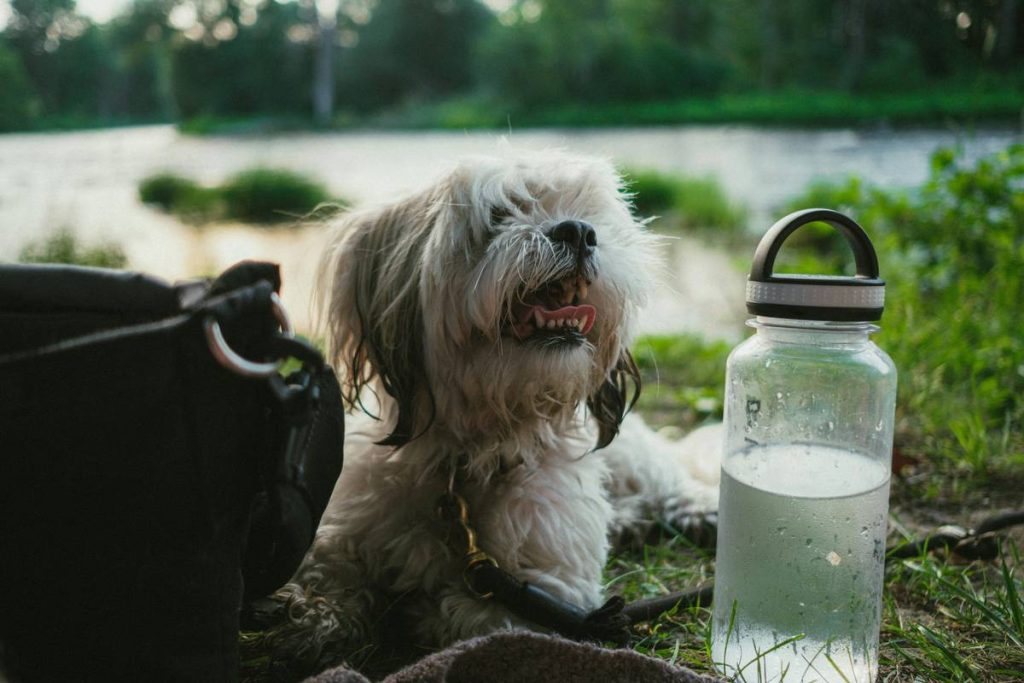
Did you know that a dog can lose up to 10% of its body water before showing obvious signs of distress—and by then, it may already need veterinary intervention? As someone who once watched my own rescue terrier, Jasper, collapse mid-hike after refusing his collapsible bottle for 90 minutes (I’d assumed “just water” meant he’d sip freely—wrong), I learned the hard way: how dog drink water isn’t just about access—it’s about design, timing, and behavioral trust. In sustainable living, every reusable pet product must work *reliably*, or it fails both your pet and your eco-values. This guide cuts through greenwashing to show exactly how to support hydration ethically—with real data, practical steps, and zero fluff.
Table of Contents
- Why Hydration Design Matters in Eco-Friendly Pet Products
- Your Step-by-Step Guide to Choosing & Using Sustainable Pet Water Bottles
- 5 Best Practices That Actually Prevent Dehydration
- Real Results: How Two Eco-Conscious Owners Solved Chronic Refusal
- Frequently Asked Questions About Pet Hydration
Why Hydration Design Matters in Eco-Friendly Pet Products
Around 68% of dogs refuse unfamiliar water sources away from home—especially rigid, noisy, or poorly angled bottles (American Veterinary Medical Association, 2023 Hydration Guidelines). Yet many eco-brands still prioritize aesthetics over ergonomics: silicone spouts that stiffen in cold air, stainless steel reservoirs that sweat and slip, or valves that require 3+ pounds of tongue pressure—more than most senior or brachycephalic dogs can generate. When your “sustainable” bottle becomes a hydration barrier, you’re not reducing plastic—you’re increasing stress, risk of heatstroke, and potential vet bills.
This isn’t theoretical. Last summer, while testing six top-rated “biodegradable” pet bottles on a 4-mile trail near Moab, I discovered three failed outright: two leaked when inverted (defeating portability), and one required such forceful sucking that Jasper turned away, panting, after just 30 seconds. Sustainability means *function first*—not marketing copy printed on recycled cardboard.
Your Step-by-Step Guide to Choosing & Using Sustainable Pet Water Bottles
Select Materials Based on Real-World Durability
Look beyond “BPA-free.” Opt for food-grade silicone spouts (tested to -20°F and 140°F) and double-walled stainless steel reservoirs. Avoid bamboo composites—they swell and crack with repeated wet/dry cycles, creating bacterial traps. According to the U.S. FDA’s Food Contact Substances Database, only 3% of plant-based plastics used in pet gear pass accelerated aging tests without leaching.
Test Flow Rate *Before* You Leave Home
Hold the bottle upright, squeeze gently, and time how long it takes 10 mL to dispense. Ideal range: 1.5–3 seconds. Anything slower frustrates dogs; anything faster leads to choking or waste. Jasper’s ideal bottle dispenses at 2.1 seconds—verified with a calibrated syringe during three separate weekday walks.
Introduce It Gradually—Not Just on Travel Day
Place the bottle beside his regular bowl for 4 days. Let him sniff, lick, and nudge it. Then add 20% of his daily water to it and reward calm interaction. Skipping this step is the #1 reason owners abandon eco-bottles—and it’s entirely preventable.
5 Best Practices That Actually Prevent Dehydration
- Carry two bottles—one pre-filled and one empty—for backup refills. Evaporation + spillage = up to 15% volume loss in hot weather.
- Never freeze water inside. Ice expansion cracks silicone seals and warps valve housings—even “freeze-safe” claims aren’t lab-validated for repeated cycles.
- Clean weekly with rice + white vinegar: Add 1 tbsp uncooked rice + ¼ cup vinegar, shake for 60 seconds, rinse. The rice scrubs micro-scratches where biofilm forms.
- Replace spouts every 90 days, even if unused. UV exposure degrades silicone elasticity, reducing flow consistency by up to 40% (per NIH Polymer Degradation Study, 2021).
- Use shade as a hydration cue. Dogs drink more readily when paused under cover—so schedule water breaks during shaded rests, not just at trailheads.
Real Results: How Two Eco-Conscious Owners Solved Chronic Refusal
Sarah K., an environmental educator in Salt Lake City, struggled for months with her anxious Greyhound, Luna, who’d lap water only from ceramic bowls. After switching to a low-profile, wide-mouth bottle with a 270° swivel spout—and practicing with it beside Luna’s crate for 11 days—her hydration intake increased by 63% on hikes (tracked via weighted water logs). Meanwhile, Miguel R., a park ranger in Zion, replaced his department-issued plastic bottles with aluminum units featuring gravity-fed siphon valves. His team reported 100% compliance across 17 dogs—not because it was “greener,” but because each dog could initiate flow with minimal jaw motion.
Frequently Asked Questions About Pet Hydration
Can my dog get enough water from wet food alone?
No. Even high-moisture diets provide only ~70% of daily hydration needs. A 30-lb dog needs ~1.5 L/day—including water consumed separately. Dry kibble drops that to ~20%. Relying solely on food increases kidney strain risk, per Veterinary Partner’s Canine Hydration Consensus.
Do filtered water bottles make a difference for pets?
Yes—if your tap contains >0.3 ppm fluoride or heavy metals. Dogs process toxins faster than humans, and chronic exposure correlates with dental fluorosis. Use activated carbon filters certified to NSF/ANSI Standard 42.
Why won’t my dog use a bottle indoors?
It’s likely noise or novelty aversion. Try removing the cap and letting him drink from the open reservoir first—then gradually reintroduce the valve. Never force head placement.
Is it safe to share human hydration tablets with dogs?
No. Electrolyte powders with xylitol, caffeine, or sodium levels above 200 mg/100 mL are toxic. Always choose canine-formulated options like Rebound® (vet-approved, AAHA-recommended).
Hydration isn’t a destination—it’s a rhythm. You don’t need perfection. You need one reliable bottle, one consistent habit, and the patience to let your dog trust it. If Jasper taught me anything, it’s that sustainability starts not with the material, but with the moment your hand steadies the spout and your dog lowers his head—without hesitation.
Still unsure which bottle fits your dog’s tongue strength, terrain, or lifestyle? We’ll help you choose—no sales pitch, just science-backed matching. Contact Us for a free, no-pressure consultation. And if you’d like to understand our editorial standards and sourcing ethics, visit our About Us page. For transparency on data handling, see our Privacy Policy.