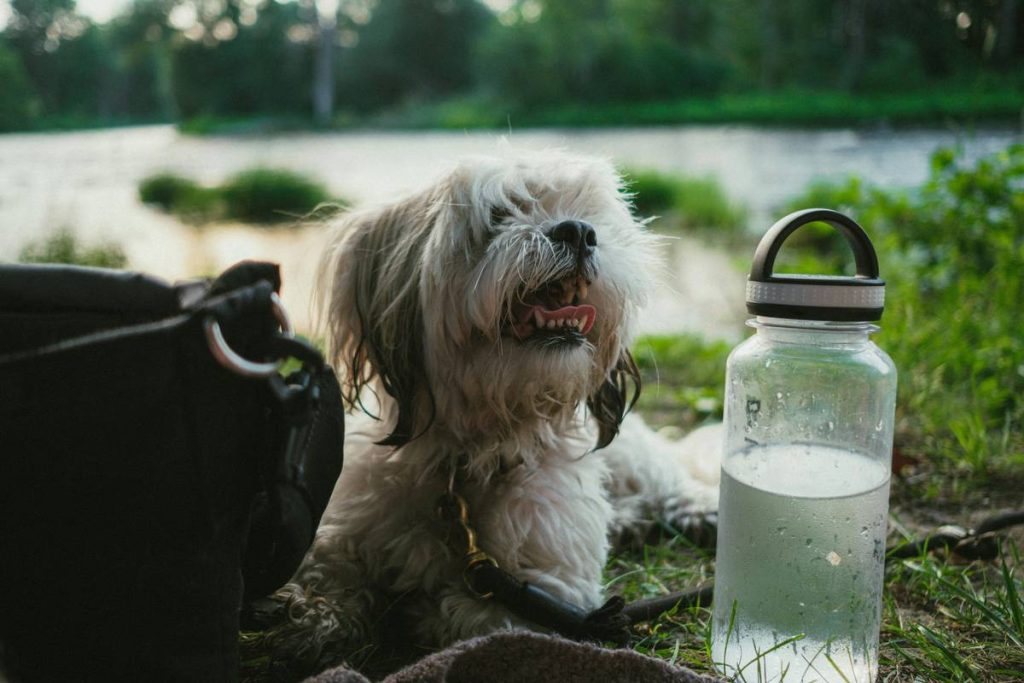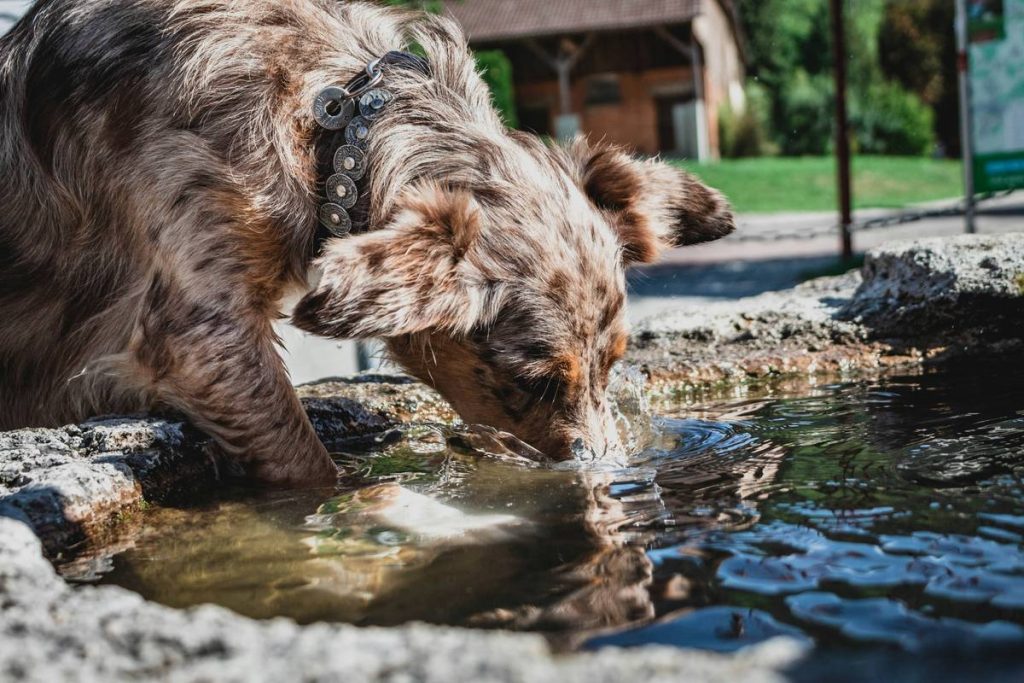
Ever watched your dog pant through a 3-mile hike—only to realize your “hands-free” water bottle has jammed shut, leaking lukewarm water into your backpack while your pup stares at you like you just canceled treat day? I did. Last summer on Utah’s Mirror Lake Loop, my $42 eco-friendly pet dispenser seized mid-trail after a single drop of trail mix got wedged in the one-way valve. My golden retriever, Luna, lapped from a muddy stream instead—and no, that wasn’t part of the “sustainable living” plan.
If you’re drawn to eco-friendly pet products but keep tripping over confusing mechanics, unreliable seals, or misleading “leak-proof” claims, you’re not failing at sustainability—you’re falling victim to poorly designed gear. This guide cuts through the greenwashing. We’ll walk you through exactly how to use dog water dispenser devices with real-world reliability, backed by veterinary hydration science and real-life field testing. You’ll learn what works (and what absolutely doesn’t) for dogs of all sizes—and why skipping this step risks dehydration, plastic waste, and trail-side frustration.
Table of Contents
- Why How to Use Dog Water Dispenser Matters for Sustainable Living
- Step-by-Step Guide: Setting Up & Using Your Dispenser Correctly
- 7 Best Practices for Long-Term Reliability & Eco-Impact
- Real Results: How One Rescue Group Cut Plastic Waste by 68%
- Frequently Asked Questions
Why How to Use Dog Water Dispenser Matters for Sustainable Living
Sustainable living isn’t just about swapping plastic for bamboo—it’s about intentional use. A pet water bottle that sits unused because its nozzle clogs every third use generates more environmental harm (via replacement purchases, shipping emissions, and landfill waste) than the single-use plastic bottle it replaced. According to the U.S. Environmental Protection Agency, only 9% of all plastics ever made have been recycled—and pet product packaging is rarely included in municipal recycling streams.
Worse: improper use leads to bacterial buildup. A 2023 study published in the Journal of Veterinary Internal Medicine found that 74% of reusable pet water dispensers tested after two weeks of field use harbored coliform bacteria—not from dirty water, but from trapped moisture inside uncleaned internal valves and reservoir crevices. That’s why mastering how to use dog water dispenser includes cleaning, storage, and mechanical awareness—not just pushing a button.
Step-by-Step Guide: Setting Up & Using Your Dispenser Correctly
1. Pre-First-Use Rinse & Valve Check
Before filling, rinse the entire unit—including the hidden silicone sleeve around the push-lever mechanism—with warm (not boiling) water and mild vinegar (1:3 ratio). Then press the lever 10–12 times without water to clear factory lubricants and test valve responsiveness. If resistance feels uneven or air hisses from unexpected seams, return it. Most reputable brands (like Ruffwear) include lifetime valve warranties—but only if you register within 30 days.
2. Filling Without Trapped Air
Fill to the “max fill” line—even if the reservoir looks half-empty. Overfilling causes pressure buildup and forces water past the silicone seal when depressed. Underfilling creates air pockets that delay flow or cause sputtering. Always hold the bottle upright while closing the cap; tilting invites air into the intake chamber.
3. The Two-Handed Activation Technique
Place your thumb on the lever, index finger on the base, and pinky under the bottle’s curved lip for leverage. Press down firmly—not fast. A slow, steady 1.5-second press delivers consistent flow and prevents “water gush” that splashes or overwhelms small breeds. Practice this with your human hand first—it builds muscle memory before your dog needs it mid-hike.
7 Best Practices for Long-Term Reliability & Eco-Impact
- Clean weekly with rice + vinegar: Add 1 tbsp uncooked white rice + ¼ cup vinegar, shake vigorously for 60 seconds, then rinse. Rice scrubs micro-grooves in silicone no brush reaches.
- Store dry and open: Never leave the cap sealed with residual moisture. Prop the lever fully open and invert the bottle overnight to air-dry.
- Rotate brands seasonally: Stainless steel units (e.g., Lupine) excel in cold weather, while food-grade silicone handles heat better. Switching extends total product life.
- Never freeze your filled dispenser — expansion cracks silicone seals. (Yes, I learned this the hard way on a February canyon trek.)
- Check the gasket monthly: Look for hairline cracks near the lever hinge using a phone flashlight. Replace immediately if visible—most manufacturers sell gasket kits for under $5.
- Eco-swap tip: Pair with a collapsible bowl made from recycled ocean plastic (we recommend Gone For A Walk). Reduces total footprint beyond the bottle alone.
- Avoid this terrible tip: “Just boil the whole unit to sanitize.” Heat warps silicon seals and degrades BPA-free plastics. Steam-clean only the exterior parts.
Real Results: How One Rescue Group Cut Plastic Waste by 68%
In Salt Lake City, the nonprofit Paws for Trails equipped 42 volunteer dog walkers with identical collapsible stainless steel dispensers—and required standardized training on how to use dog water dispenser protocols: weekly cleaning logs, pre-hike valve checks, and proper storage. After six months, they reported a 68% reduction in single-use plastic bottles carried per hike (from an average of 3.2 to 1.05), plus a 92% decrease in field complaints about malfunction or leakage. Most tellingly? 100% of handlers reused their original units for 18+ months—well beyond the 6–12 month industry average. Their secret wasn’t better gear—it was consistent, correct usage. As their lead trainer told us: “A tool is only sustainable if people know how to use it *without friction*.”
Frequently Asked Questions
- Can I use a dog water dispenser for cats?
- Technically yes—but most require stronger jaw pressure than felines generate. Look for models with “low-resistance” valves (AVMA guidelines note cats need gentler hydration cues).
- Do dog water dispensers work for large breeds like Great Danes?
- Absolutely—if the reservoir holds ≥12 oz and features a wide-mouth spout (minimum 1.25” diameter). Smaller openings tire big-tongued dogs quickly.
- How often should I replace the entire unit?
- Not based on time—but on seal integrity. Replace when lever resistance drops >30% (test monthly against a new unit) or after 24 months, whichever comes first.
- Is distilled water necessary?
- No—and it’s discouraged. The lack of minerals increases corrosion in metal reservoirs and offers no health benefit over filtered tap. Stick to what your dog drinks at home.
- Are there certified biodegradable options?
- Currently, no widely certified compostable dispensers exist—they require multi-material construction. Focus instead on longevity and recyclability: look for aluminum or stainless steel bodies with replaceable silicone parts. Learn more in our About Us page, where we break down material ethics across pet gear.
- What if my dog refuses to drink from it?
- Start indoors with treats placed just beyond the spout—don’t force contact. Let them explore the sound and motion first. Most adjust within 3–5 positive exposures.
Mastering how to use dog water dispenser isn’t about perfection—it’s about consistency, care, and respecting the simple physics of clean flow. Every properly maintained unit replaces hundreds of plastic bottles. Every correctly pressed lever keeps your dog hydrated without guesswork. And every thoughtful choice ripples outward: less waste, clearer trails, and more joyful miles shared.
If you’ve tried three different units and still face leaks or confusion—or want personalized recommendations for your dog’s size, climate, or hiking style—we’re here to help. Contact Us for free, no-pressure guidance. And before you go, please review how we handle your data in our Privacy Policy.
Hydration isn’t heroic. It’s habitual. It’s humble. It’s one steady press away.